Marian apparitions
The story, the dates and Mary's message at each apparition approved by the Church.
A Marian apparition is an appearance of the Virgin Mary to one or more people, usually with a message for the world. Many are reported, but only a few have been recognised after careful inquiry by the Church. Here are seven of the best known, from Paris in 1830 to Banneux in 1933, each told the same way: what happened, the key dates, Mary's message and the Church's judgment.
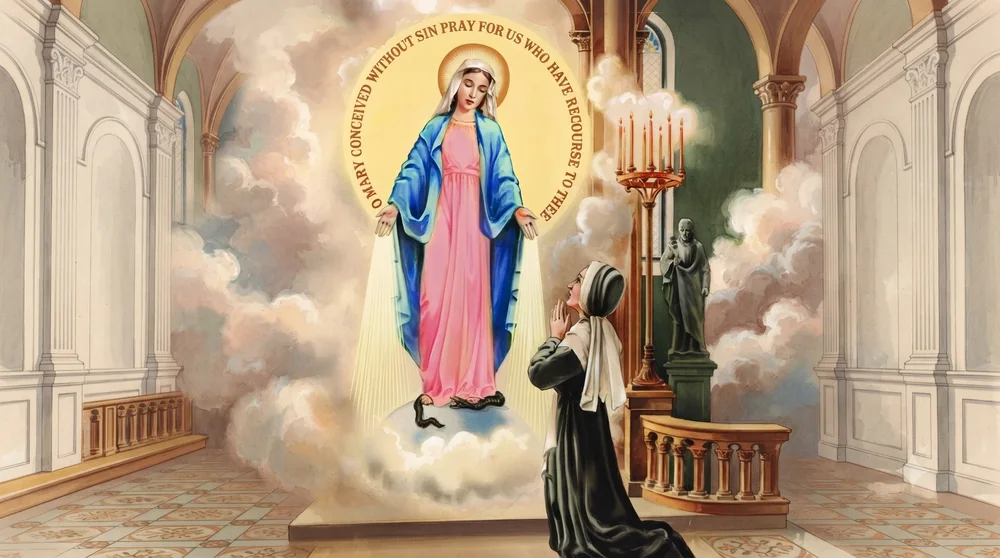

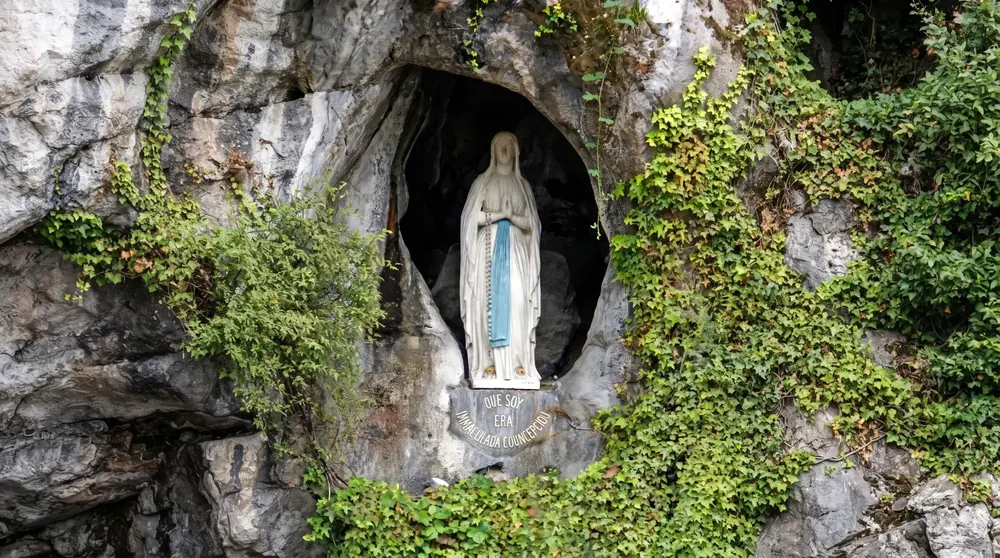
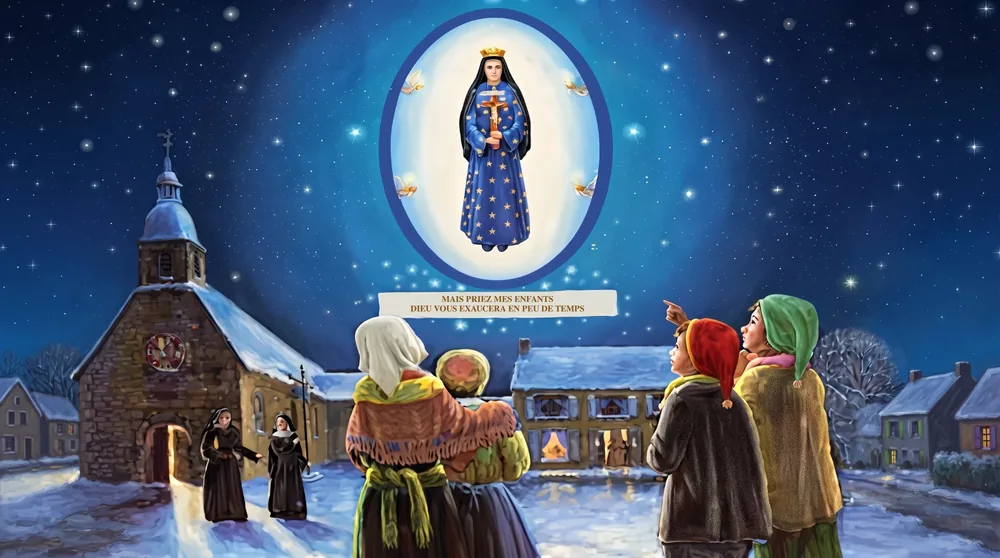
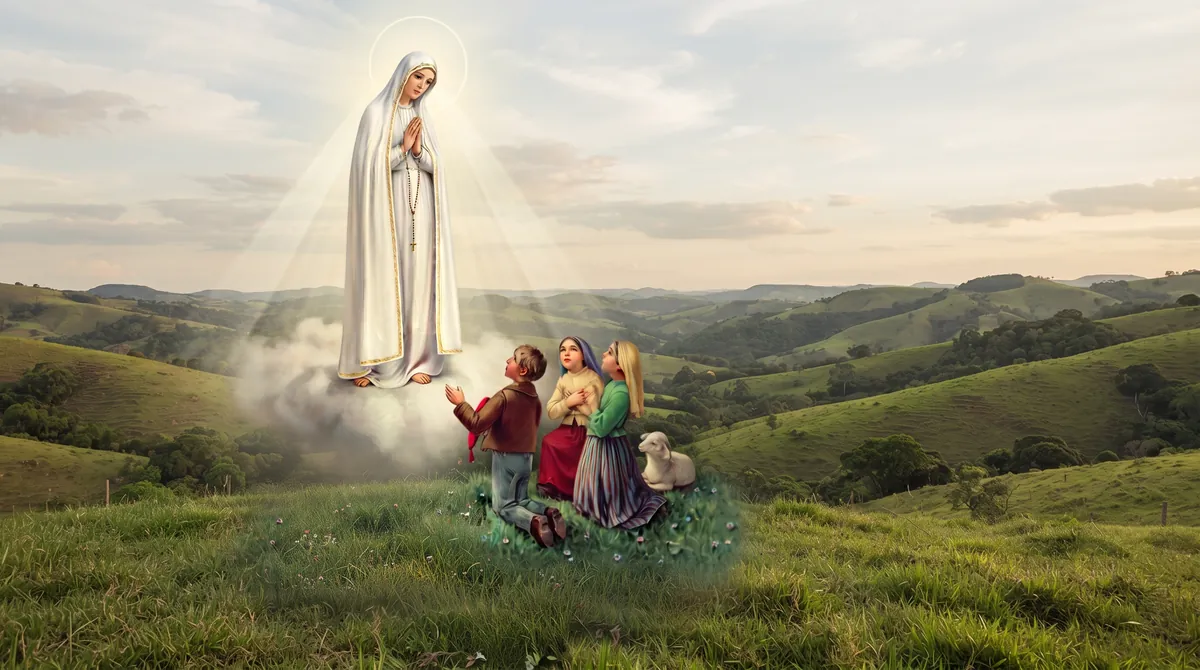
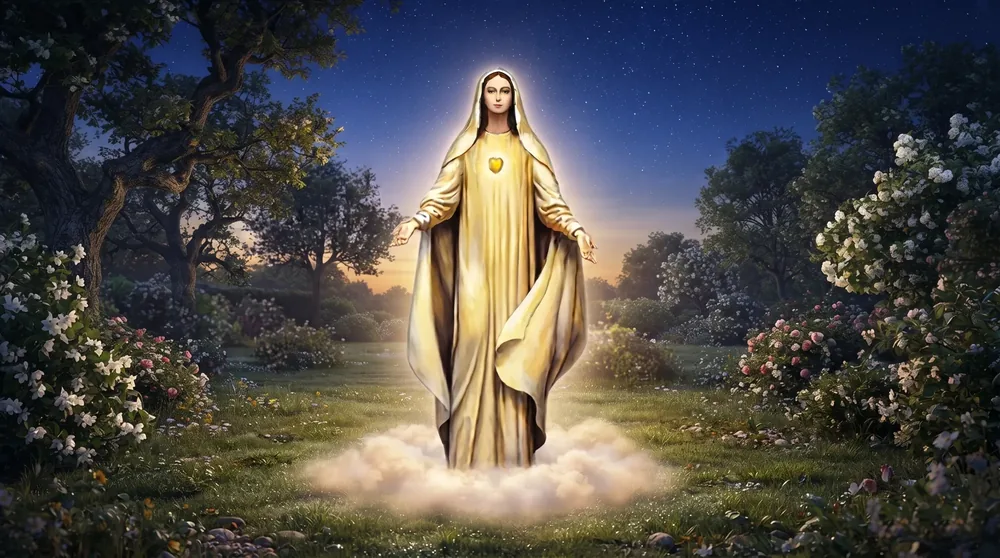
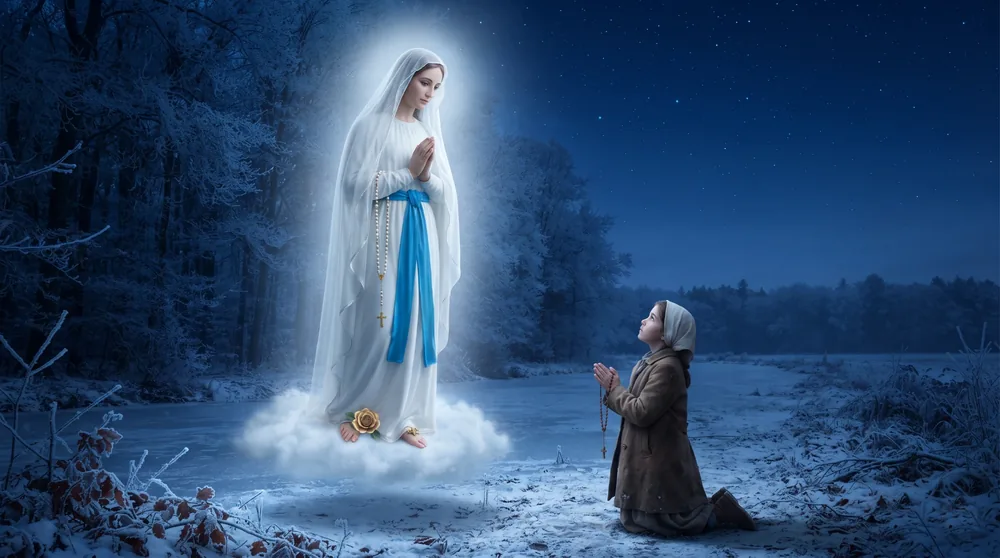
The Church distinguishes between permitting devotion and judging that an apparition is authentic. Each page gives the bishop's judgment and its date.
Common questions
- What is a Marian apparition?
- An appearance of the Virgin Mary, seen by one or more people, often with a message. The Church calls these private revelations: they add nothing to the faith revealed in Christ, but can help people live it more fully.
- Do Catholics have to believe in apparitions?
- No. Even approved apparitions are private revelations, which do not belong to the deposit of faith (Catechism of the Catholic Church, 67), so Catholics are not obliged to believe them. Approval means the Church finds nothing in them against faith or morals and allows devotion.
- How does the Church judge an apparition?
- The local bishop investigates the visionaries' honesty and health, whether the message agrees with the faith, and the fruits, such as conversions and healings. Under norms issued by the Dicastery for the Doctrine of the Faith in 2024, the bishop, with the Dicastery's approval, reaches one of six verdicts. The most favourable, a nihil obstat, allows public devotion without declaring the events supernatural.
- Which Marian apparitions are the most famous?
- Lourdes (1858) and Fátima (1917). Millions of pilgrims visit each shrine every year. Guadalupe in Mexico (1531) is also among the best known.
- What does Our Lady ask for in her apparitions?
- Again and again the same things: pray, especially the Rosary; do penance and turn back to God; and trust in the mercy of her Son.